

Improved Metal Part Durability and Life Expectancy.
Reduced manufacturing costs
by completely eliminating parts quality defects.
MIM

SUS, iron,
ferromagnetic material
Extensive
track record
with
difficult-to-machine
materials
We want to
lower manufacturing cost and lead time when machining irregular-shaped products.
We want to
improve accuracy and strength of lost wax (precision casting) products.
We want to
improve the strength of press-sintered parts. We want to improve functionality by making shape changes.
We want to
lower the cost of difficult-to-machine materials (Ti, ferromagnetic materials). We want to
reduce machining margin.

We have so many machining burrs,
it’s giving us headaches. We’re having so much trouble trying to eliminate contamination.
We want to
switch from plastic parts to steel parts to improve durability.
We want to
improve general casting, precision casting, and die casting surface roughness.
We end up with
irregular shapes when manufacturing new products based on a new design.
Please don’t hesitate to
contact us to discuss problems like these.

We want to
lower manufacturing cost and lead time when machining irregular-shaped products.

We want to
improve accuracy and strength of lost wax (precision casting) products.
We want to
improve the strength of press-sintered parts. We want to improve functionality by making shape changes.

We want to
lower the cost of difficult-to-machine materials (Ti, ferromagnetic materials). We want to
reduce machining margin.

We have so many machining burrs,
it’s giving us headaches. We’re having so much trouble trying to eliminate contamination.

We want to
switch from plastic parts to steel parts to improve durability.
We want to
improve general casting, precision casting, and die casting surface roughness.

We end up with
irregular shapes when manufacturing new products based on a new design.

Listed Top Manufacturer
NPR-RIKEN Corporation Group Next Core Business
MIM
Metal Injection Molding
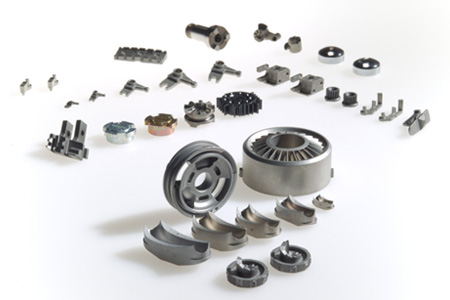
will solve all your problems!
NPR Proposal Power
Introducing NPR’s ability to solve your manufacturing issues
Metal Injection Molding (MIM) Proposal
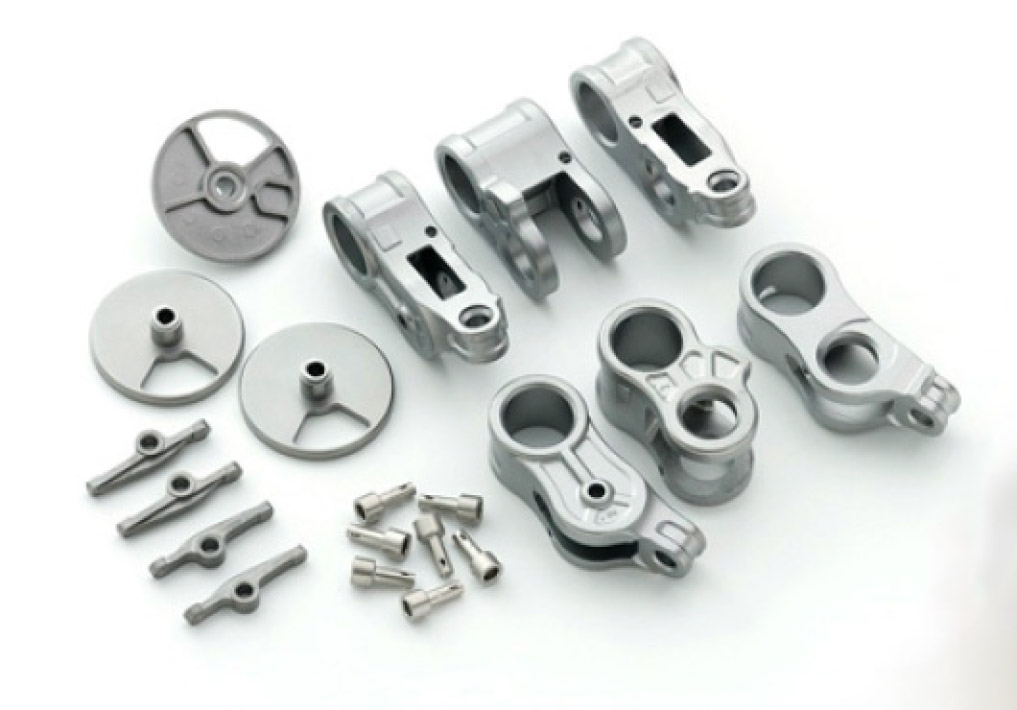
- Manufacturing dimensions are 30 mm or less with standard MIM, but with NPR’s MIM, manufacturing is possible in the 50 mm class, and quality is excellent.
-
MIM greater than the normal size is possible.
We can handle small to large sizes of similar shape. - NPR’s MIM is used to produce formed parts, but a draft of zero can be set.
Manufacturing method with high material yield ratio: Using the Metal Injection Molding (MIM) manufacturing method prevents material loss even when molding shapes requiring much machining such as irregular shapes, box shapes, housing-related parts, bored and hollow shapes, non-penetrating shapes, and blind hole shapes, reducing both lead time and cost.

Durability
Differentiation (heat resistance, corrosion resistance, wear resistance) with high added value materials prevents issues such as part degradation, allowing durability to be improved.
Accuracy
Accuracy is greater than that for casting, die casting, and standard press sintering, and surface roughness is excellent, realizing high-accuracy manufacturing.
Blanks
NPR excels at raw material manufacturing specialized for ferrous materials. We manufacture Ti-64 material that meets ASTM Standards, and materials that are difficult to manufacture with other methods.
(difficult-to-cut materials, materials that are difficult to manufacture with ingot material, titanium, heat-resistant steel, tool steel, etc.)

Quality
NPR excels in manufacturing parts for fields requiring high quality and reliability, particularly the critical safety and medical treatment fields.
We can handle irregular-shaped products with high degree of difficulty with ease. At NPR, we leverage the technology know-how cultivated over many years in automobile part manufacturing to produce high-quality parts resistant to friction and wear.
ISO, IATF certification obtained

We not only offer manufacturing proposals, but also provide reliable products.
A Choice of Technical Capabilities
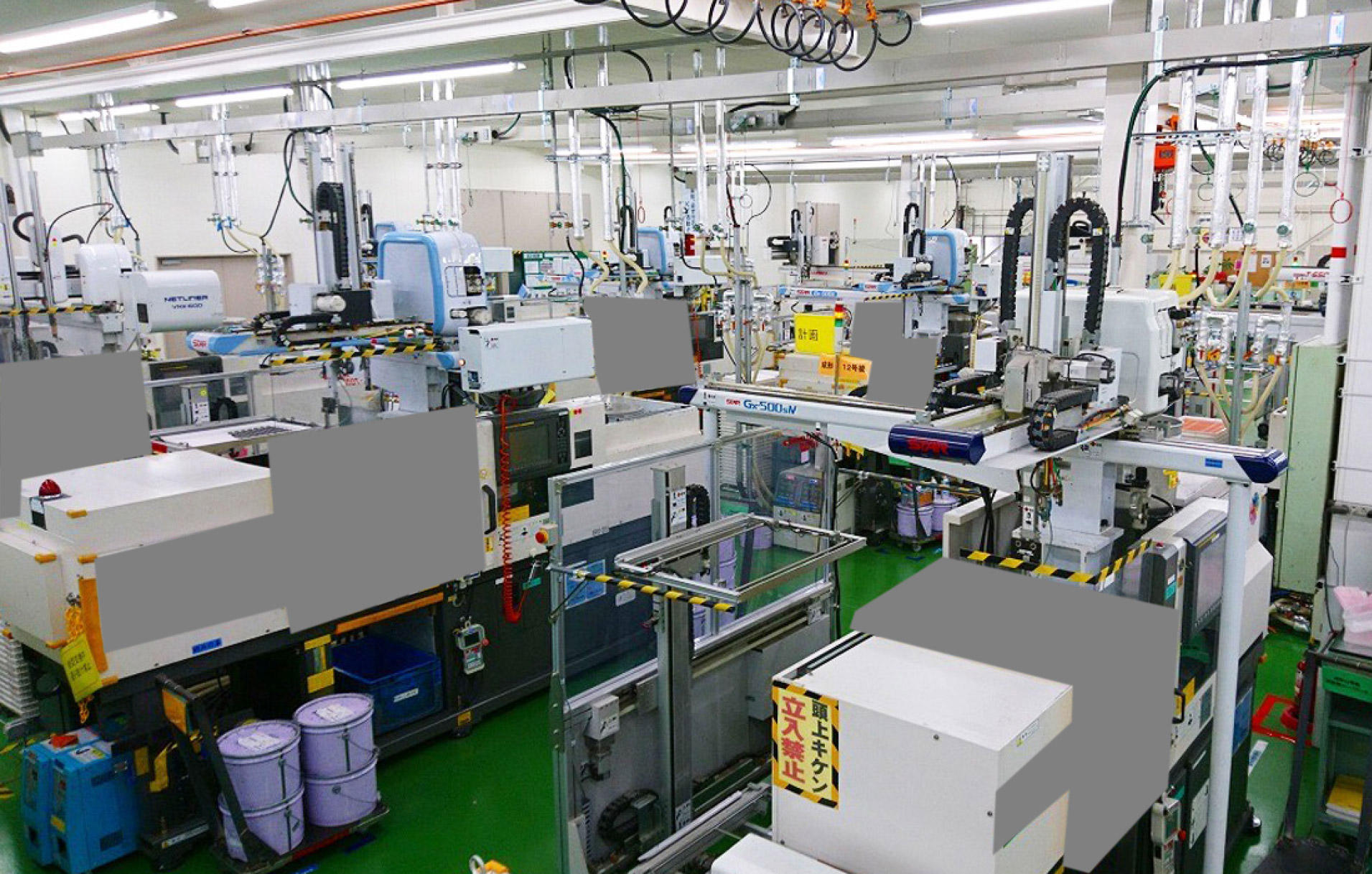

Manufacturing lead time has been reduced from
changeover for quick cutting.
By machining, manufacturing costs for complex products that are costly in terms of both money and lead time can be kept to a minimum.
Assembly, part press-fit. spec. with labor-saving,
unmanned operation robots
Reduced running costs
Simplified assembly of parts with counterpart components by making shapes more complex and adding functions. Cost reductions can be achieved for difficult-to-machine materials (Ti, ferromagnetic materials).
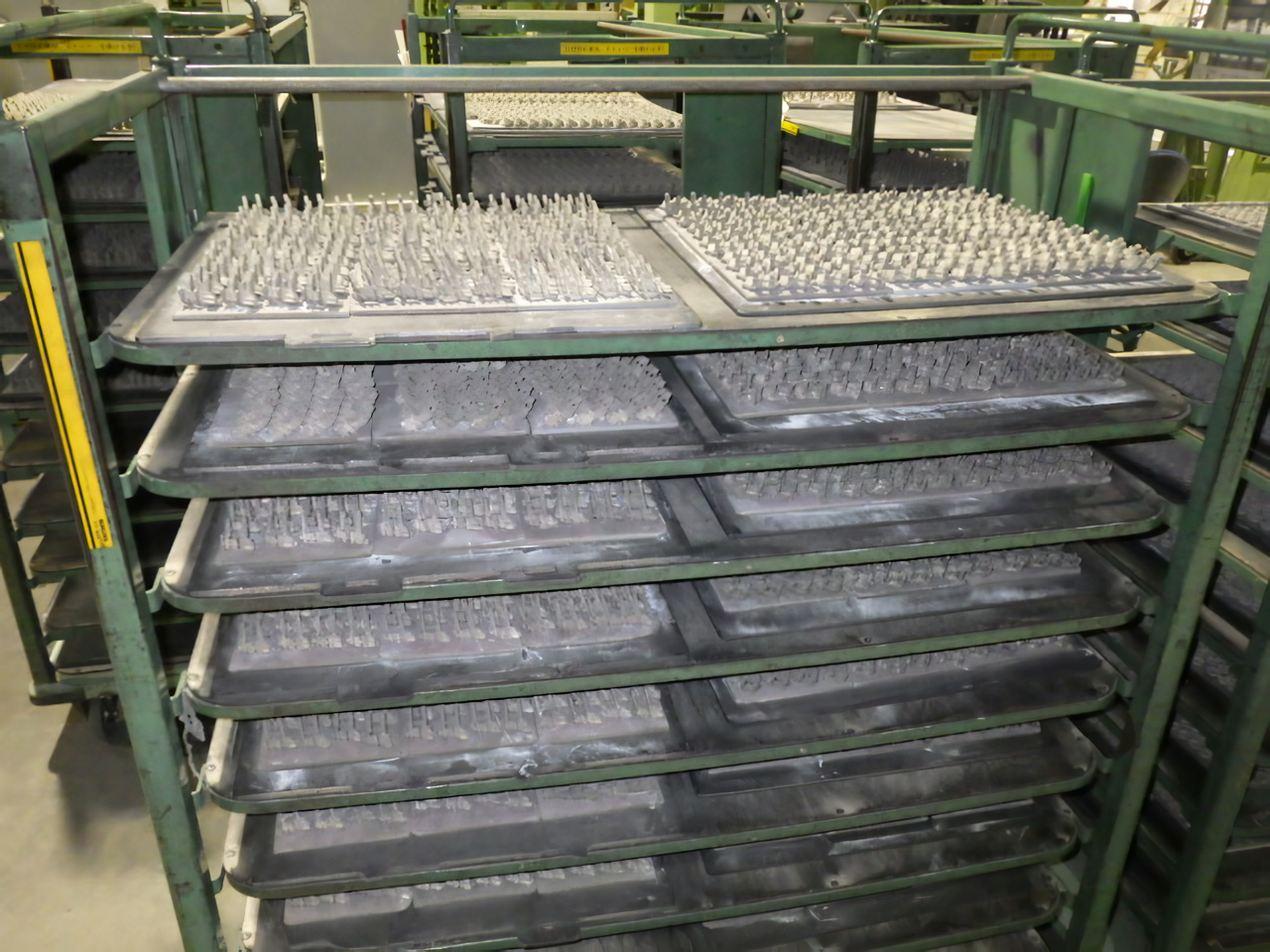
Improved quality and yield ratio
We can handle Ti materials that can be placed in the body, deliver stable quality, and offer greater accuracy and quality over other manufacturing methods such as precision casting, and boast high part accuracy and quality for parts with large dimensions and complex shapes. We are also able to successfully supply parts with improved, stable quality under strict heat treatment conditions, eliminating excessive production.
Improved durability
We propose materials and deliver improved durability through material evaluation based on the tribology technology we cultivated in the manufacture of automobile parts. Furthermore, we offer improved durability when transitioning from plastic parts to steel parts.

VA, VE proposal
We are able to reduce costs over that of cut parts, and can offer high-volume production. New products with complex part shape can be manufactured with MIM. It offers a wide compatible size range, and can be used for the high-volume production of small to large parts (approx. 10 to 100 mm).
Environmental conformity
NPR has obtained ISO 14001 certification, and is working hard at initiatives aimed at achieving carbon neutrality. We also offer conformity with initiatives such as IMDS and chemSHERPA for substances of environmental concern.
Special standard conformity
In addition to ISO 9001, we have also obtained IATF 16949 certification, have an outstanding track record with heat treatment inspection, special characteristics management (e.g., critical safety parts), as well as part cleanliness and contamination control, and are able to manufacture parts to meet these requirements.
Lower Cost, Higher Accuracy
Than Other Similar Technologies
| MIM | Machining |
Stamping |
Press sintering (PM) |
Die casting |
Lost wax |
|
|---|---|---|---|---|---|---|
| Dimensional accuracy |

Approx. 0.5% |

High-accuracy |

Approx. ±1% |

Difficult to control accuracy in machining direction |
Approx. ±1% |
Approx. ±1% |
| Shape degree of freedom |

Hollow shapes possible |
3D shapes possible, |
Hollow shapes |
Up to 2.5D shapes |
Not suitable for |
Small parts or thin-walled, difficult |
| Production cost |
Low cost for large lots |
Higher cost for |
Suitable for mass production |

Excellent for mass production |
Few processes, making it extremely cheap |
Difficult to lower costs with mass production |
| Material selection range |
All high-melting point alloys |
Virtually all parts covered, with exception of difficult-to-cut material |
Compatible with metal plates with distributability |
Most difficult-to-cut materials |
Only possible for low melting point metals |
Special alloys |
| Material type | Material name | Mass production | Development | Features | |
|---|---|---|---|---|---|
| Ferrous materials | Low-alloy steel | Fe-2Ni-C | ● | High strength, high toughness | |
| Fe-Cr-C | ● | High strength, low friction | |||
| SNCM630 | ● | Impact resistant | |||
| SCM415 | ● | Impact resistant | |||
| Stainless steel | SUS316(L) | ● | Corrosion resistant | ||
| SUS304 | ● | Corrosion resistant, non-magnetic, heat resistant | |||
| SUS444 | ● | Corrosion resistant, electromagnetic properties | |||
| SUS420J2 | ● | Corrosion resistant, high strength | |||
| SUS440C | ● | High strength | |||
| SUS410 | ● | Electromagnetic properties | |||
| SUS430 | ● | Corrosion resistant, high strength | |||
| SUS630 | ● | Corrosion resistant, high strength | |||
| SUSXM27 | ● | High strength, low allergic | |||
| Soft magnetic material | Permalloy | ● | Soft magnetism | ||
| Fe-2Ni | ● | Soft magnetism | |||
| Fe-8Ni | ● | Soft magnetism | |||
| Fe-3Si | ● | Soft magnetism | |||
| Pure iron | ● | Soft magnetism | |||
| Permendur | ● | Soft magnetism | |||
| Low thermal expansion material | Kovar | ● | Low thermal expansion | ||
| Invar | ● | Low thermal expansion | |||
| Super invar | ● | Low thermal expansion | |||
| Heat-resistant steel | SUH310 | ● | Heat resistant | ||
| Inconel 625 | ● | Corrosion resistant, heat resistant, oxidation resistant | |||
| Cemented carbide | ● | High hardness, corrosion resistant | |||
| Heavy alloy | ● | High specific gravity | |||
| Nimonic® 90 | ● | Heat resistant, corrosion resistant, high creep resistance | |||
| Tool steel | SKD11 | ● | Impact resistant, heat resistant, wear resistant | ||
| SKH51 | ● | Wear resistant | |||
| Nonferrous metal materials | Titanium | Pure titanium | ● | Corrosion resistant, high strength, lightweight | |
| Titanium Ti64 | ● | Corrosion resistant, high strength, lightweight, biocompatibility | |||
| Copper | Pure copper | ● | Corrosion resistant, conductive, thermal conduction, antibacterial | ||
| Cupro-nickel | ● | Corrosion resistant, conductive, thermal conduction, ductility | |||
| Original materials | Please inquire. | ● | NPR can even develop materials to meet your requirements. | ||
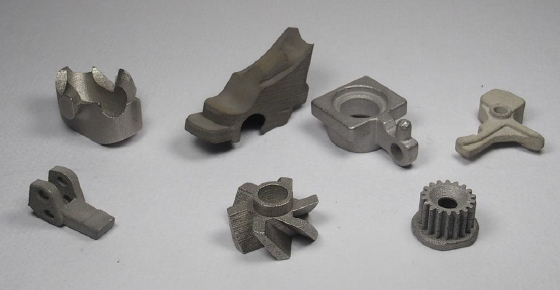
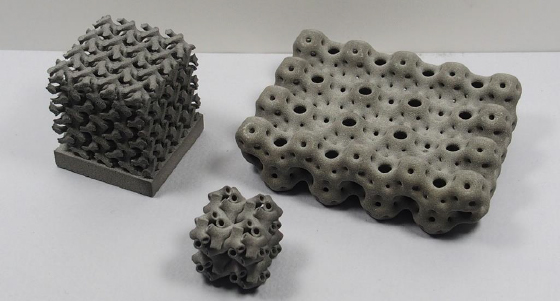
Do you want to try producing parts with a metal 3D printer without using dies or molds?
We offer not only prototypes using MIM,
but also with metal 3D printers.
Prototype specifications
Applicable material
SUS316, SUS630,
pure titanium, titanium alloys
Product size
guide
SUS316: within 45 × 45 × 120 mm
SUS630: within 40 × 40 × 120 mm
Dimensional accuracy
Greater than 15 mm: ±2%
15 mm or less: ±0.3 mm
Surface roughness
Ra 3– 15 μm
Prototype delivery
Approx. 2 to 4 weeks
We recommend metal 3D printers for those with the following requirements.
- • To begin with, we want to evaluate functionality.
- • We want a metal part as a mock-up sample.
- • We want to make prototypes of single parts or parts in very low quantities.
- • In the meantime, we want to produce metal parts, so we would like a metal prototype.
- • Die and mold costs are high for MIM. We want to start off with small quantities made with a 3D printer.
- • We have several candidate shapes, but we want to produce them with metal parts for consideration.
Leverage the Benefits of MIM
Industries in Which Use of MIM is Accelerating

Medical treatment
- • Endoscopes, surgical instruments
- • Examination equipment
- • Implants

Precision equipment
- • Cameras, smartphones, computers
- • Household electric appliances
- • Watch and spectacle parts

Leisure
- • Gear parts
- • Tool parts

Crime prevention,
house related Keys,
furniture fixtures

Industrial machinery
- • Gas turbines
- • Bearings, ball screws
- • Robots, sensors

Automobile parts
- • Filters actuators
- • Interior parts
- • Critical safety parts

Aerospace
- • OA equipment parts
- • Semiconductors

Hydrogen-related business
- • Hydrogen fuel engines
- • Hydrogen stations
- • Decarbonization
We are always hearing great things from our customers.
Actual Adoption Examples and Companies

Successful cost reduction
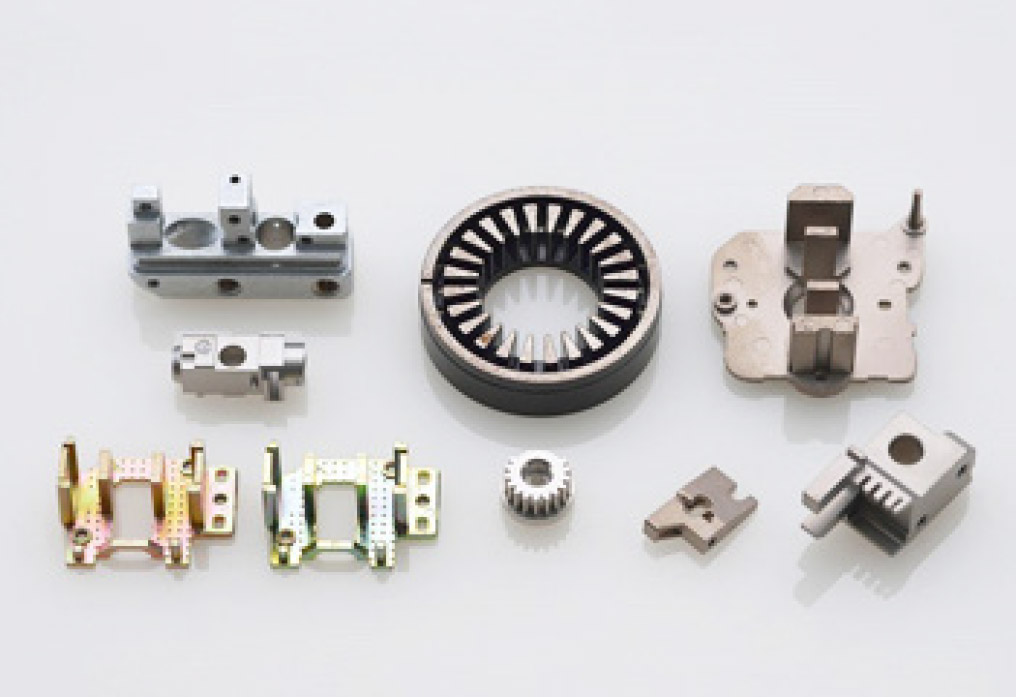
By adopting MIM with high shape degree of freedom for parts that were previously assembled by combining multiple parts, we have been able to integrate 5 parts by changing the design, and have reduced both assembly processes and cost. We were also able to apply a design with optimal shape and reduce part weight.
We can also reduce machining costs in our lineup of difficult-to-cut materials.
Improved durability
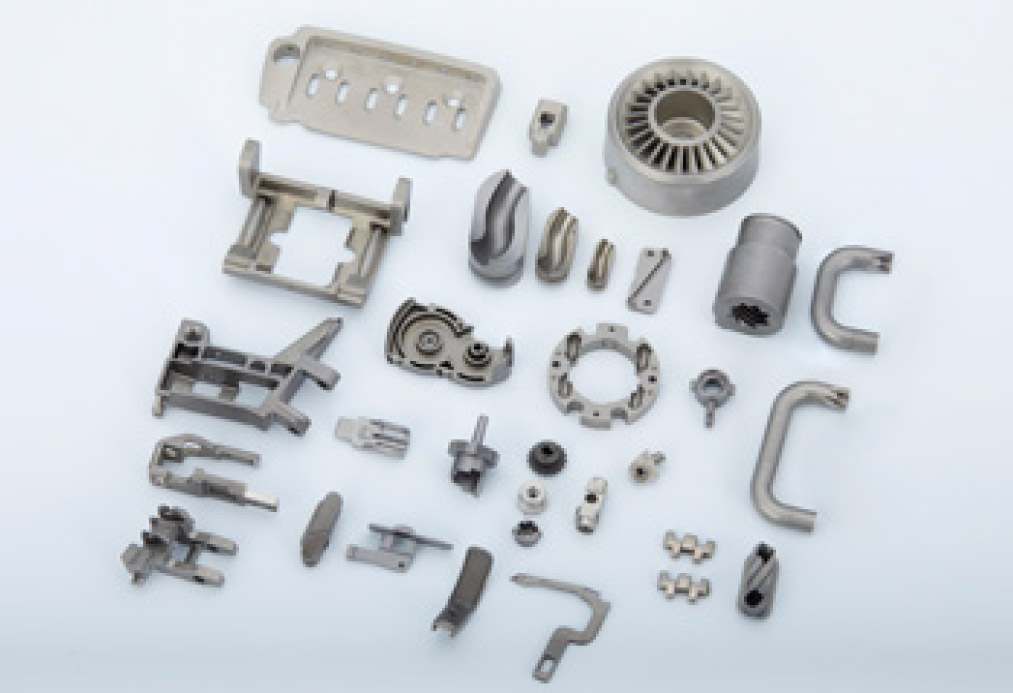
MIM materials have mechanical characteristics similar to that of ingot materials, and have smoother surface properties when compared to other manufacturing methods. This has contributed to greater part strength and longer unit service life.
NPR’s MIM has been adopted for products used for critical safety parts in automobiles, and for products used in harsh environments.
Defect-free quality assurance
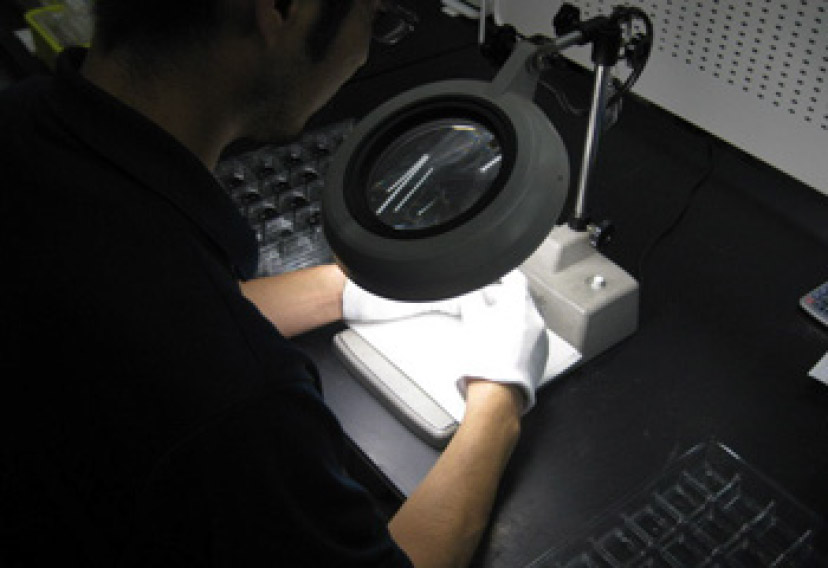
NPR has obtained all kinds of certification such as ISO and IATF. By employing the management system that “does not allow defective parts to find their way to market” we cultivated in the automobile industry, we are able to guarantee the same quality from small lots to mass production.
This contributes to reduced process defects and product defects for our customers.
Automobiles, Defense, Medical Treatment, Industrial Equipment, EVs
We Receive Requests From Many Companies.
FAQ
How big is the MIM market?
The Japanese market for MIM was estimated at 17 billion JPY in 2021. In China, where enormous volumes of smartphone-related parts are produced, this figure was 174 billion JPY, and a total of 330 billion JPY worldwide.
MIM is a method used to manufacture metal parts, and therefore its use is not limited to specific fields.
Market growth is between 5% and 10% a year.
Do you purchase raw materials and binders?
What do you use for
binder?
How do you make pellets after kneading?
We hear that after forming, material (sprue, runner, etc.) that is not required for the product is returned for reuse. How exactly is this done?
What material do you use most?
How many parts can you produce a month?
Do you have any experience with parts for electrification?
Request Form